Mini Bag (0)
X
your bag is empty, time to go shopping!
Registered with us, but, you can't see your items? Sign in to see your bag and get shopping!
Continue Shopping
Sign In




Men's regular fit jeans sit at the centre of any working wardrobe — the cut that never overcommits, never disappears, and earns its place on rotation week after week without asking much in return.
There is a reason the regular fit has outlasted every trend cycle since Pepe Jeans London opened its first stall on Portobello Road in 1973: it simply works for more body types, more situations and more styling directions than any other cut in denim. Men's regular jeans offer a straight leg that runs consistently from the thigh to the ankle, with a mid-rise waistband that sits comfortably at the natural waist without pulling or gaping. The silhouette is clean, proportional, unhurried — the kind of shape that reads as deliberate rather than default.
Construction matters here. The denim used across this range spans rigid cotton canvas in heavier weights — typically 11 to 13 oz — through to blended fabrics incorporating a measured percentage of elastane, around 2% to 4%, for versions designed to move with the body without losing their structured outline. The rigid options hold a sharp crease and age visibly and honestly, developing fades at the thigh and knee that map real wear. The stretch alternatives maintain their shape across a long day in a way that a purely cotton fabric simply cannot sustain.
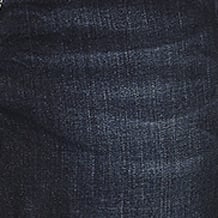
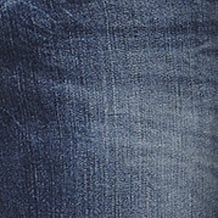
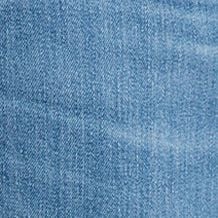
The regular fit jeans available here span a considered range of washes. Raw and dark indigo options carry a dense, almost inky depth that shifts subtly under artificial light — sharp enough for a Soho dinner, relaxed enough for a Piccadilly commute. Mid-wash stonewashed finishes come with surface texture built in, whiskers and honeycombs that give the fabric visual movement without looking manufactured. The lightest washes, bleached or heavily distressed, carry a worn-in character that pairs naturally with heavier layers on top.
Across washes, the stitching follows a consistent logic: reinforced bar tacks at the pocket corners and belt loops, contrast thread that reads tonal rather than decorative, and a leather patch at the rear waistband — details that reflect the brand's expertise in denim construction, refined over decades of making the fabric work harder than it looks.
The straight, unconstricted leg of men's regular jeans opens up the range of footwear and layering choices considerably. Two directions that earn heavy rotation:
— Dark indigo regular jeans with a structured overshirt in brushed cotton, suede Chelsea boots and a watch with a simple dial: the proportions stay disciplined, the palette does the talking, and the whole look moves from a Soho lunch to an evening in Shoreditch without adjustment.
— Mid-wash regular jeans with a heavyweight crew-neck sweatshirt, a quilted liner jacket and clean white leather trainers: the kind of considered casual that works on a Saturday in Portobello or a Sunday somewhere further east.
The mid-rise waistband on most cuts in this range sits high enough to avoid the dropped-seat look that plagues lower-rise alternatives, while keeping enough clearance from the natural waist that tucking in a shirt — Oxford, OCBD or flannel — remains a genuine option rather than a compromise.
Not every regular fit denim cuts the same. Heavier rigid fabrics tend to sit away from the thigh slightly more on first wear, breaking in over time to a shape that is genuinely personal to the wearer. If your thighs are broader or your waist-to-hip drop is more pronounced, a version with a small percentage of elastane will hold its shape through the seat and thigh without the fabric pulling horizontally across the leg. Inseam length is worth paying attention to: the cleanest finish comes when the hem breaks once at the shoe, just enough to show the opening of the boot or the tongue of the trainer without bunching.
A regular fit jean is cut with a consistent leg width from the hip to the ankle, while a straight fit tends to run slightly narrower through the thigh and seat. In practice, regular fit offers more room across the upper leg, making it the more comfortable option for everyday wear. Straight fit reads as more tailored and pairs more directly with dressier footwear such as derbies or loafers.
Yes — the mid-rise waistband on most regular fit cuts makes a full or half-tuck entirely viable. A slim-fit shirt tucked into a dark indigo regular jean reads as intentionally smart without crossing into formal territory. The key is keeping the tuck clean at the front and allowing natural blousing at the side rather than forcing the fabric flat.
The waistband should sit flat against the body without needing a belt to hold it in place — if you are pulling it closed, size down. Across the thigh, the fabric should lie without tension lines or horizontal pulling: a clean drape through the leg means the cut is working with your build rather than against it. If both waist and thigh feel right, the regular fit is the correct choice; if the thigh fits but the waist gapes, try a version with a small elastane content that will adapt to the fit more precisely.
Wash inside out at 30 degrees to protect both the indigo dye and the surface texture of the denim. Avoid tumble drying where possible — hang drying preserves the structure of the fabric and prevents shrinkage at the inseam. For rigid cotton canvas weights, infrequent washing is actually better for the fabric: the natural fading that develops through wear and friction produces the kind of character that a machine cycle simply cannot replicate.


