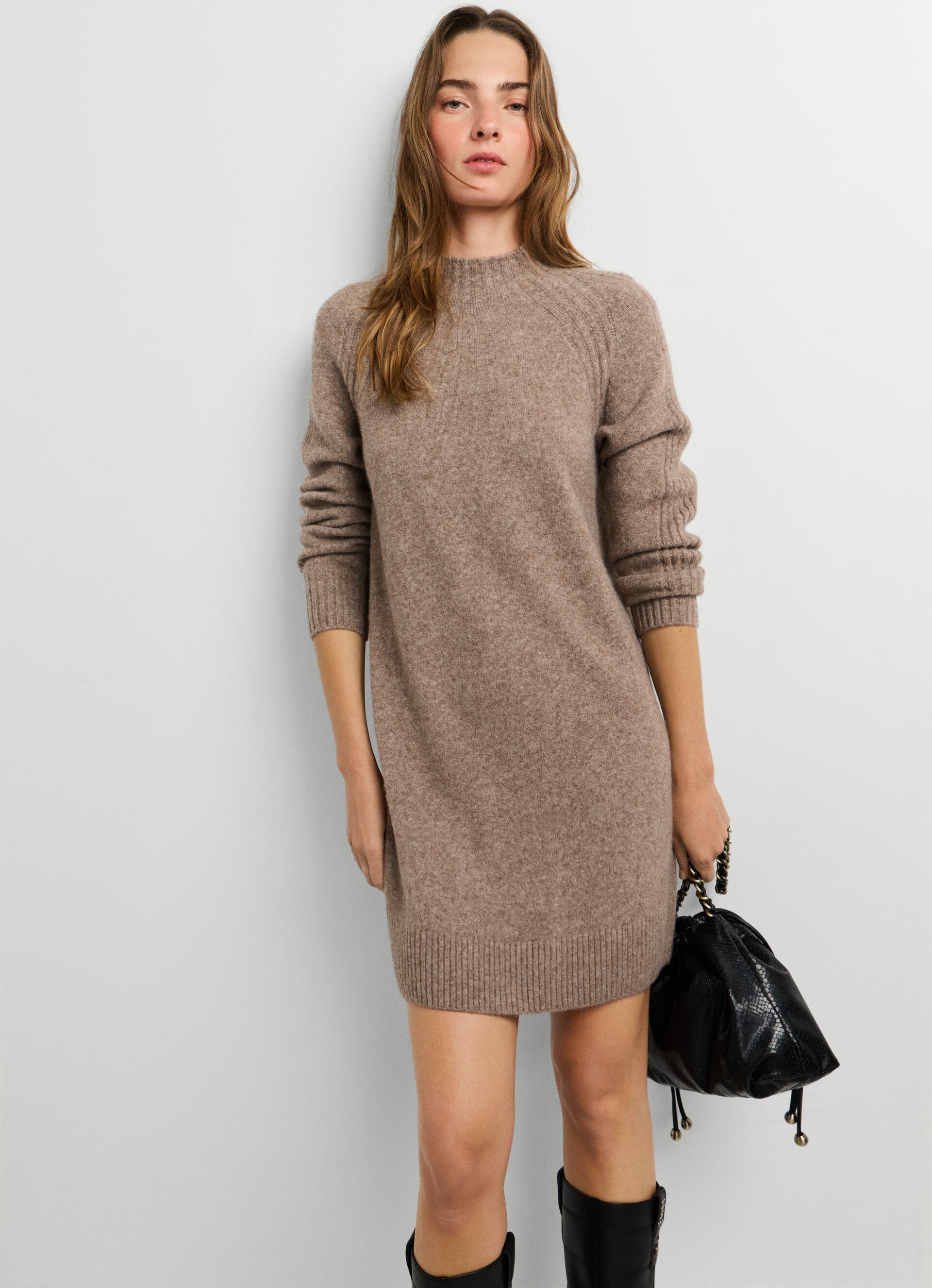
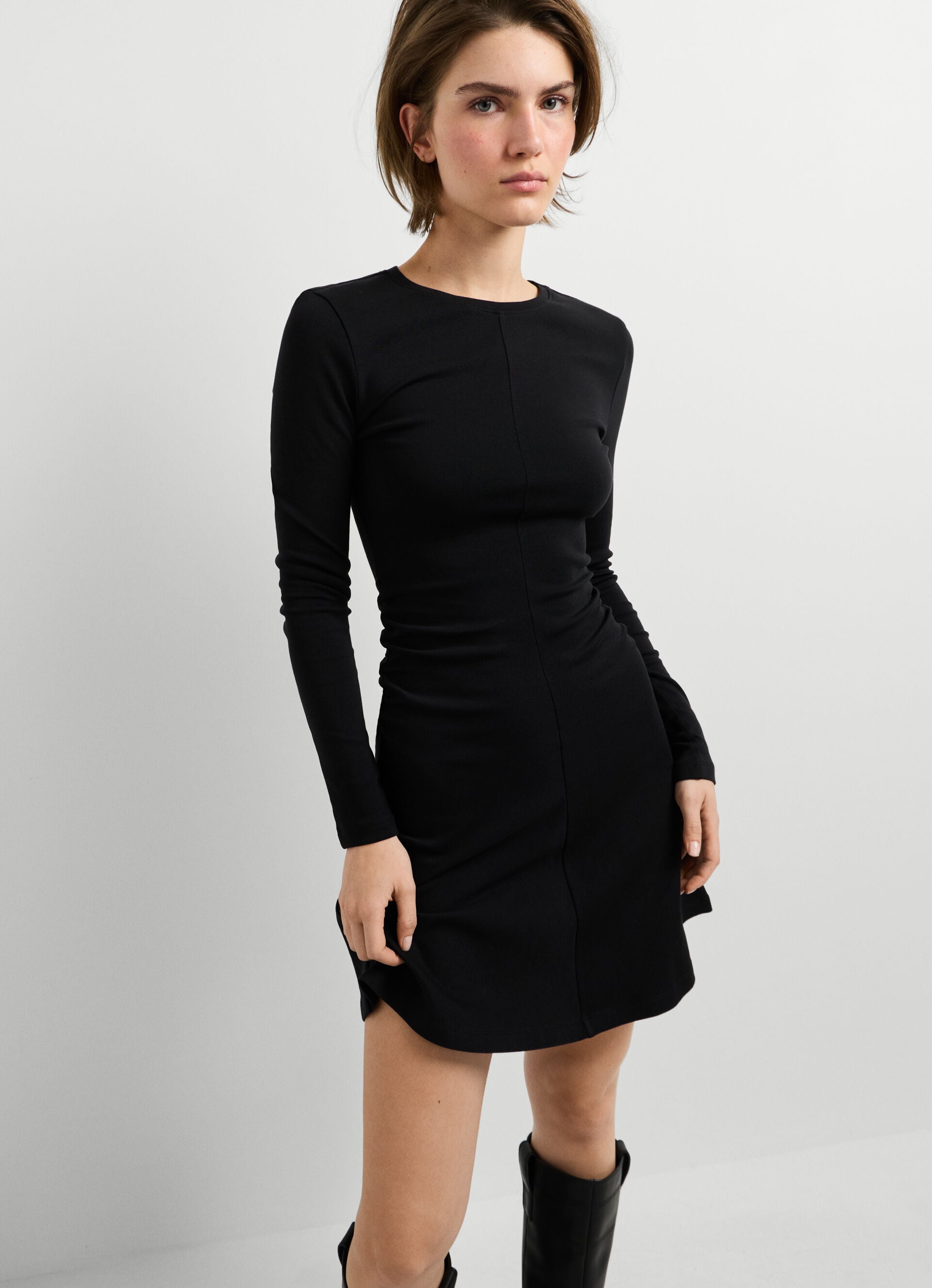
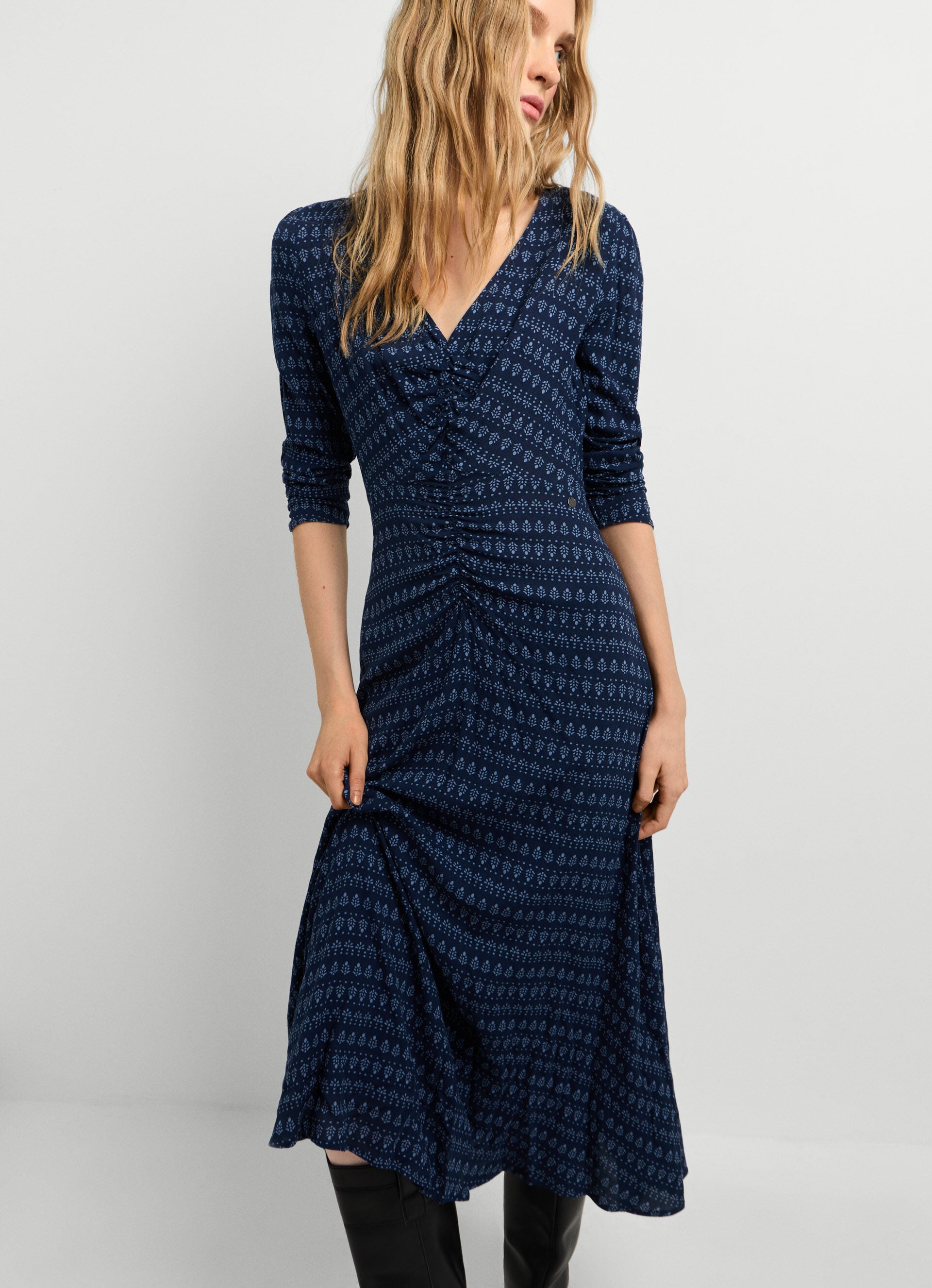


Women's Dresses
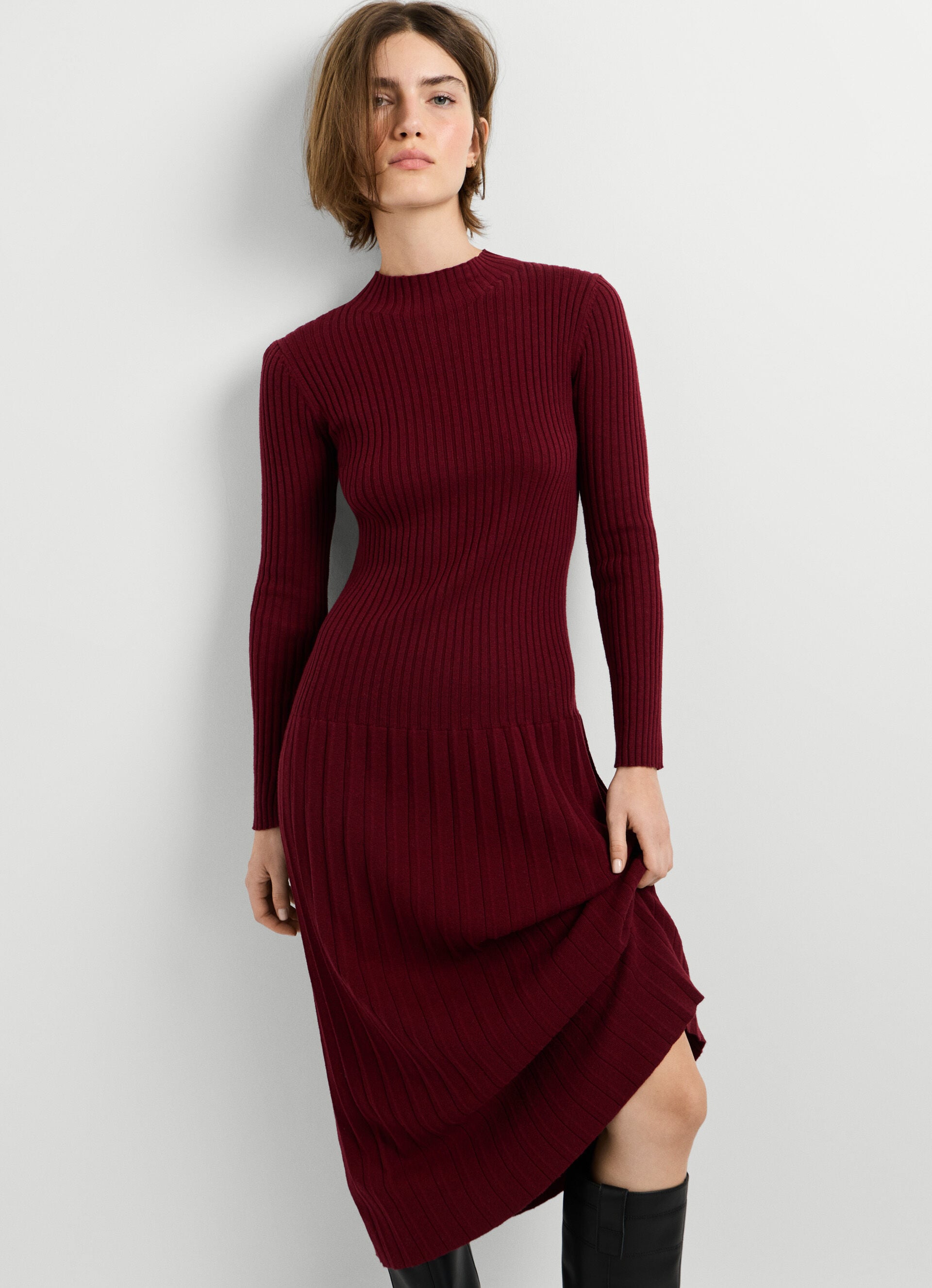
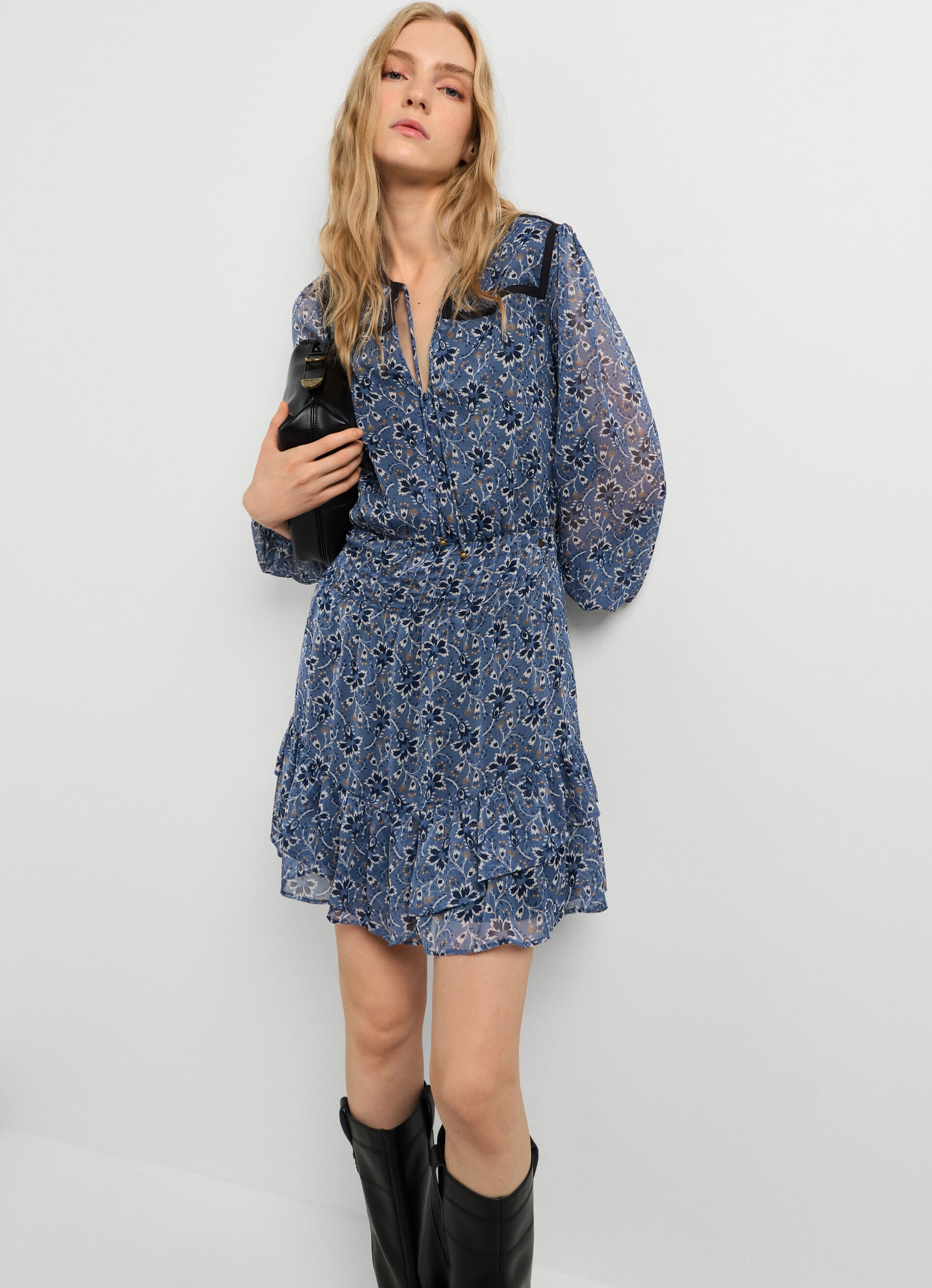
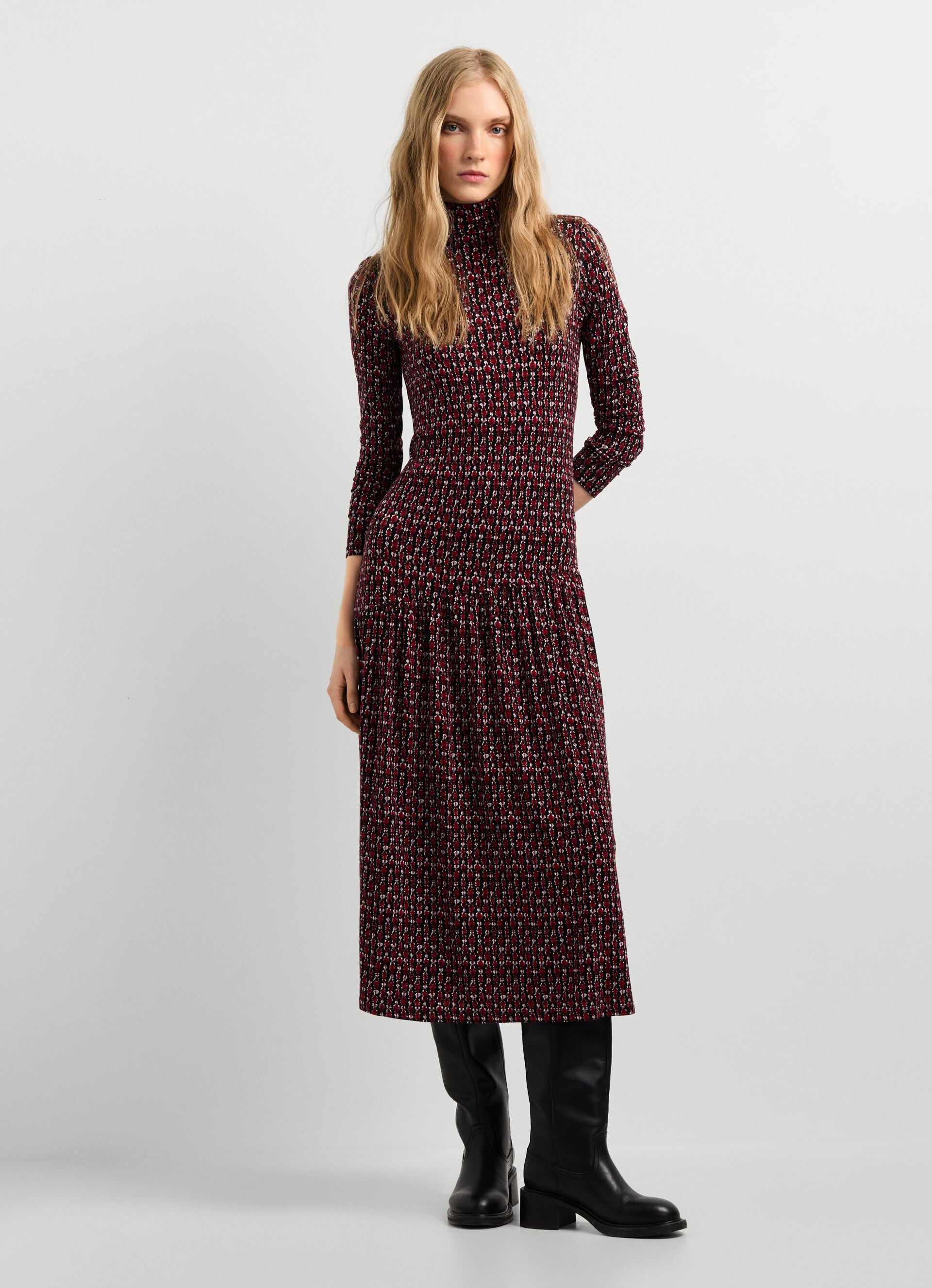
Women's dresses are the one-decision outfit that earns its place in heavy rotation — no coordinating, no second-guessing, just the right silhouette and the right fabric for wherever the day takes you. This edit spans midi shirt dresses in lightweight cotton, fluid wrap styles that move with the body, structured denim options and printed pieces built for the kind of summer that stretches well into the evening.
How to choose a women's dress by silhouette
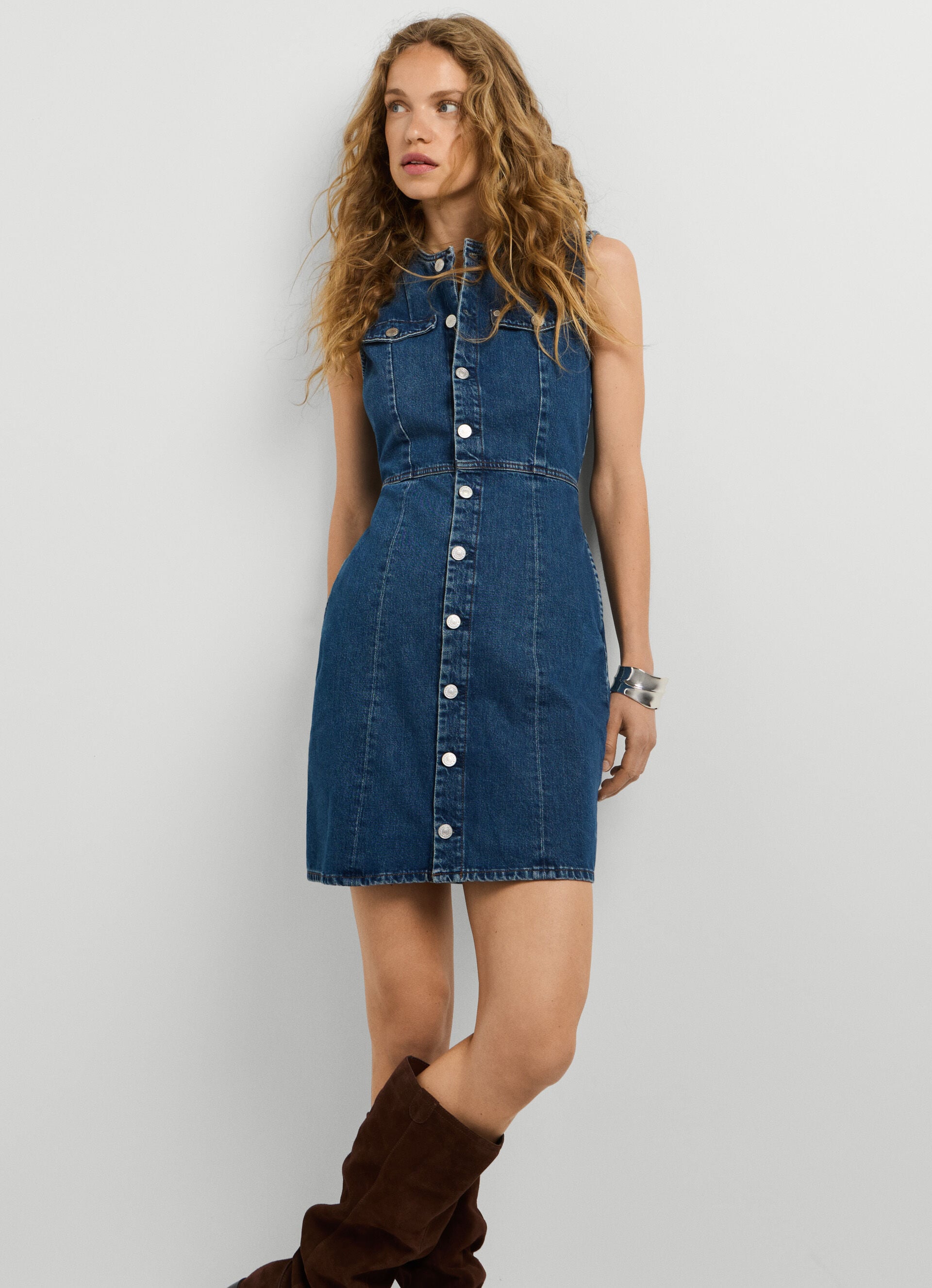
The cut does most of the work. A women's shirt dress — with a button-through front, collar and optional tie waist — is the most adaptable shape in the range: worn closed as a standalone piece or open over a body or bike shorts when the temperature climbs. The wrap dress in fluid crêpe or viscose skims the body without clinging and adjusts naturally to different proportions at the waist — no tailoring required. Slip-style dresses, cut on the bias in satin-finish fabric, fall with an easy weight that works from Portobello to a candlelit restaurant without changing anything. The structured mini dress holds its shape through the whole day; the midi is more considered and works with flat sandals just as well as with a block heel.
Fabrics and what they mean for fit
Fabric determines how the dress behaves on the body. Women's dresses in cotton poplin have enough body to hold their shape without clinging — good for warm days when you want coverage without weight. Viscose and crêpe are lighter and move more freely: they drape instead of sitting, which makes them more flattering on most shapes but more likely to crease after a long day. Denim women's dresses — in mid-weight cotton canvas — have their own structure and need nothing underneath. Lined styles in any fabric hang better and avoid the transparency issue on bright days; always worth checking the product details before buying.
How to style women's dresses
A printed midi women's dress with flat leather sandals and a small crossbody bag is the completest summer look with the least effort. For cooler evenings: a fine-knit cardigan in a tone pulled from the print, same shoes, same bag — nothing else needed. The denim shirt dress, half-buttoned, over a white bodysuit with chunky-sole trainers is a Soho Saturday that doesn't try too hard. In the transition months, a shirt dress layered under a leather jacket with ankle boots shifts the register entirely — the dress does the work underneath while the jacket closes the look on top.
Pepe Jeans London women's dresses: the edit
Pepe Jeans London has been building its denim authority from Portobello Road since 1973, and that London eye carries into every category — including women's dresses. Proportions are considered across sizes, prints are scaled to the garment rather than adapted from another format, and fabrics are selected for how they behave after multiple washes, not just on a hanger. The hardware — buttons, zips, ties — is part of the design. A dress that still looks right at the end of a long day is one that was built to be worn, not just to be bought.
How do I choose the right size in a women's dress?
For fitted or wrap styles, use your bust and hip measurements as the reference — whichever is larger determines your size. For shirt dresses or relaxed shapes, shoulder width is the critical point: if the shoulder seam sits correctly, the rest falls into place. When in doubt between two sizes, go up in unlined styles and stay true-to-size in lined or structured ones.
Can you wear a women's dress in autumn?
Yes, with the right layering. A midi dress with opaque tights, ankle boots and a longline coat is a coherent autumn look. Shirt dresses in heavier cotton work well under knitwear — wear the dress over a polo neck or a fitted long-sleeve top for a layered look that keeps the dress visible at the hem and collar.
How do I care for a printed women's dress?
Wash inside out at 30°C with a colour-safe detergent, and avoid tumble drying. Printed viscose and crêpe styles are the most sensitive: hang to dry away from direct sunlight to prevent fading. Ironing inside out on a low heat, or using a steamer, removes creases without damaging the print surface.