Mini Bag (0)
X
your bag is empty, time to go shopping!
Registered with us, but, you can't see your items? Sign in to see your bag and get shopping!
Continue Shopping
Sign In
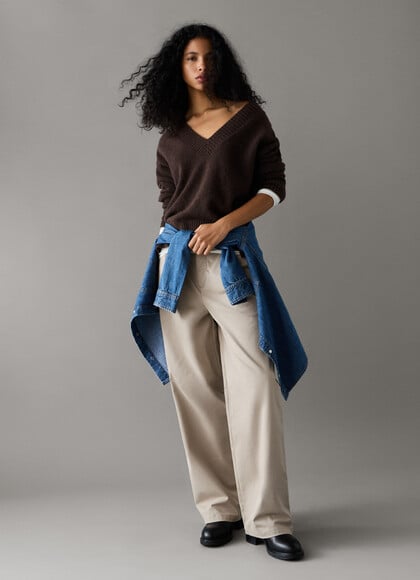
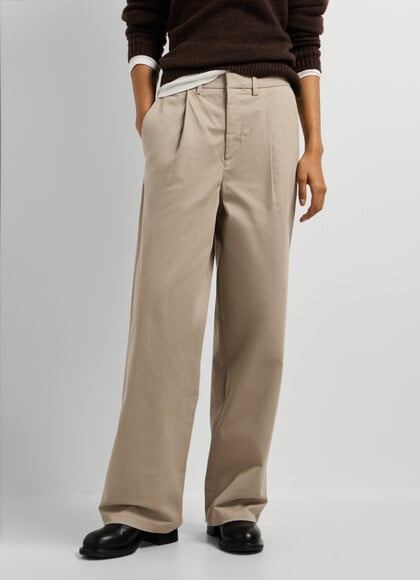


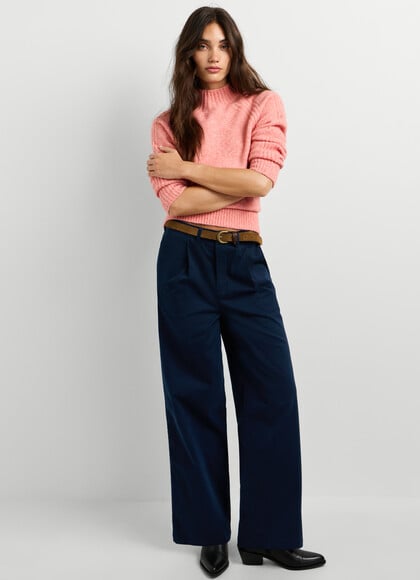
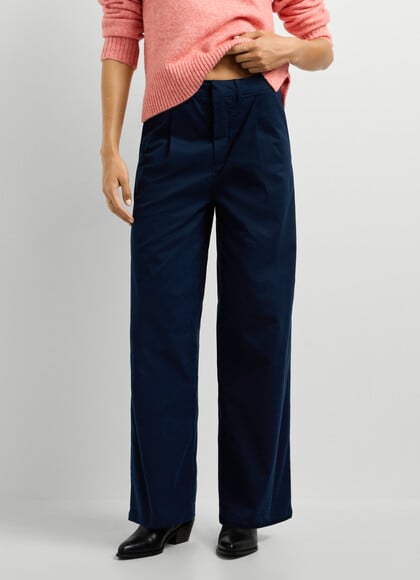
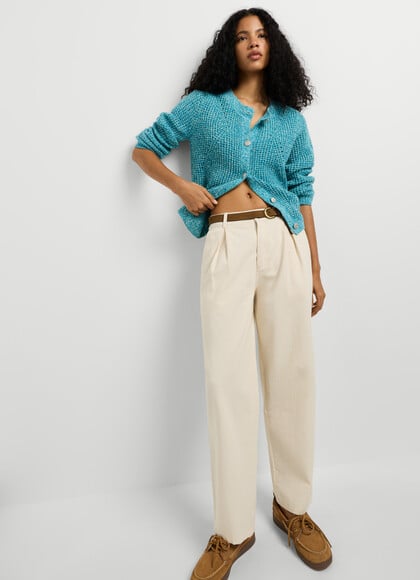
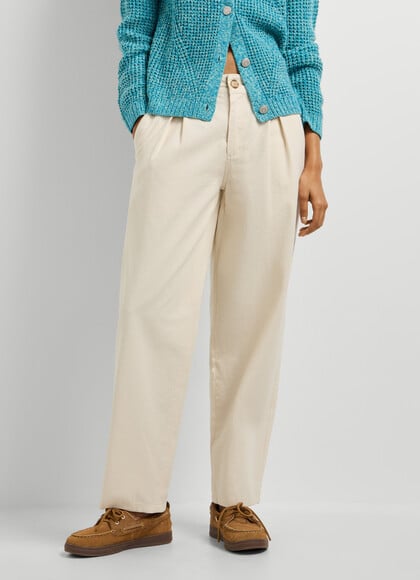
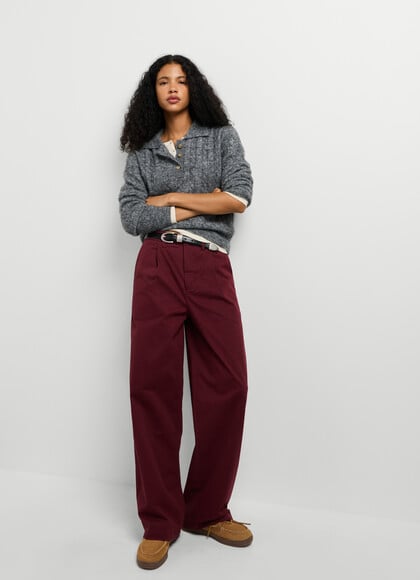
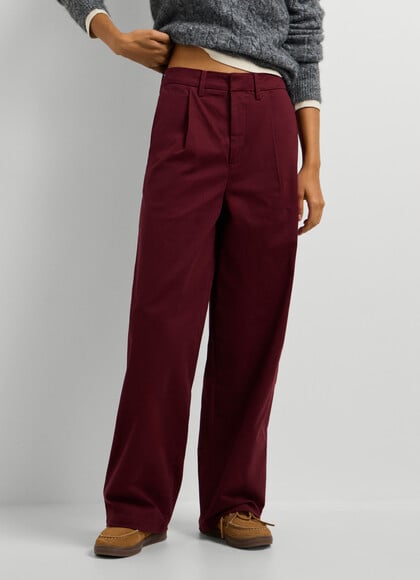
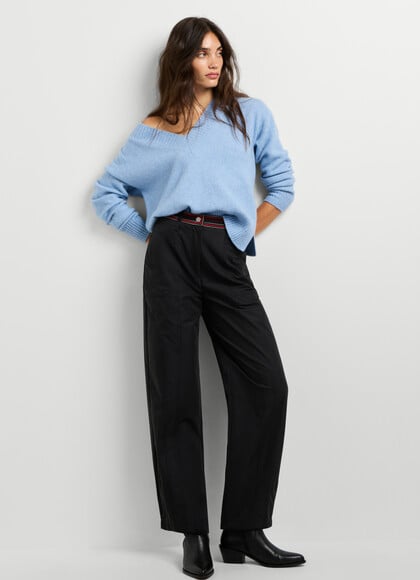
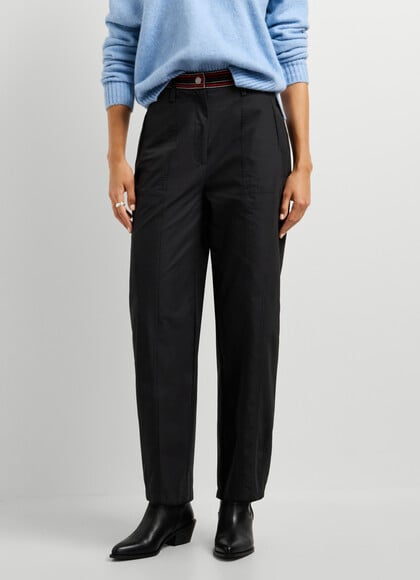
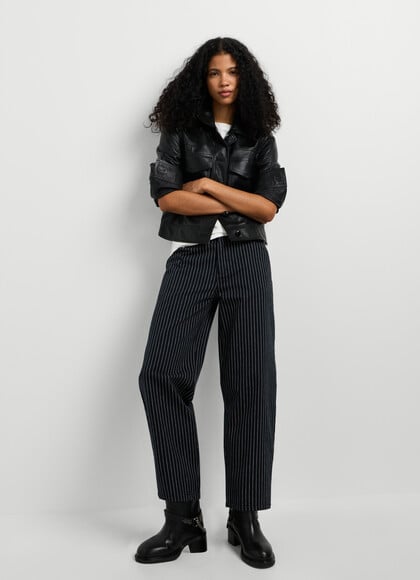
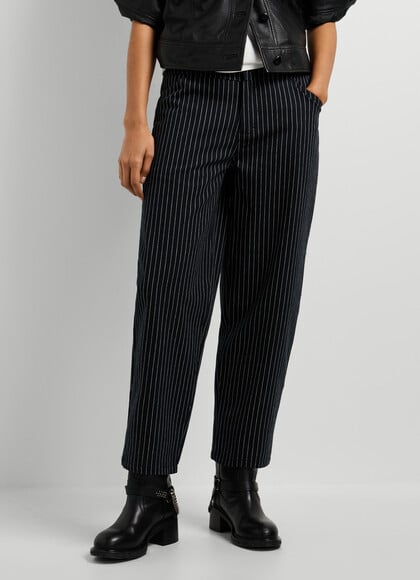
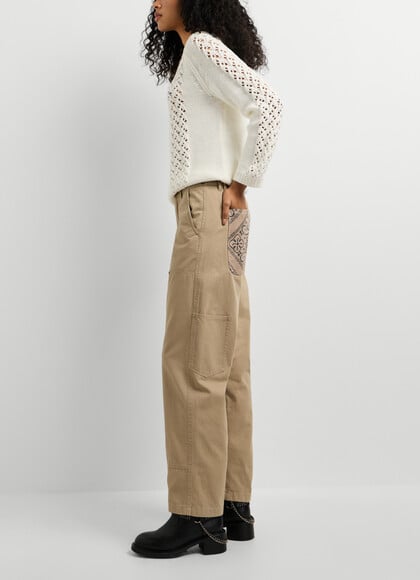
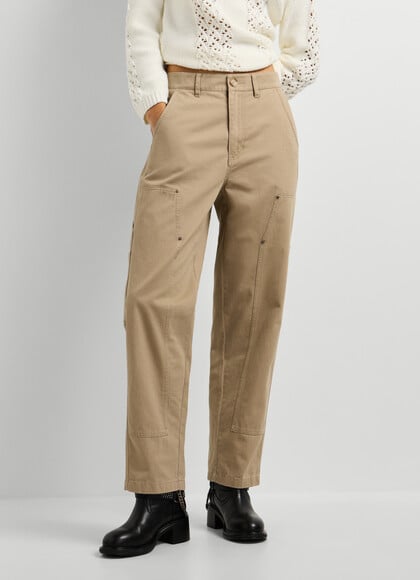
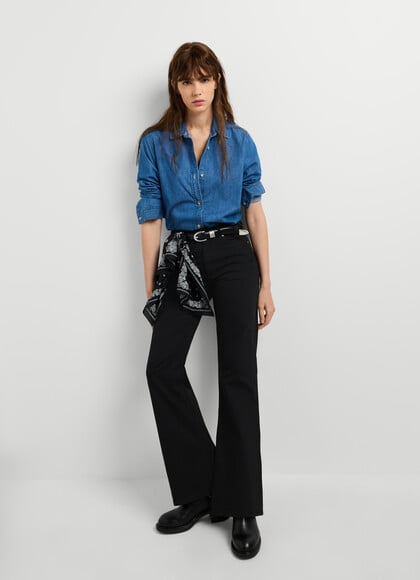
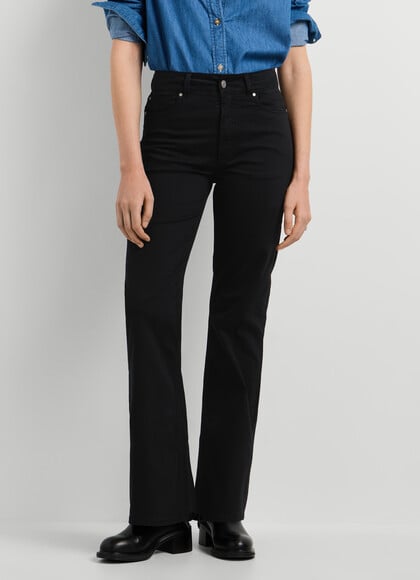


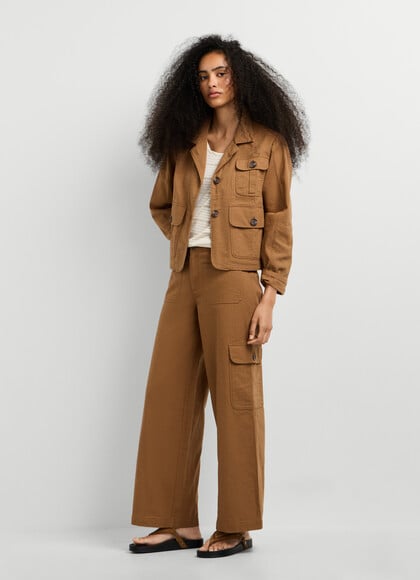
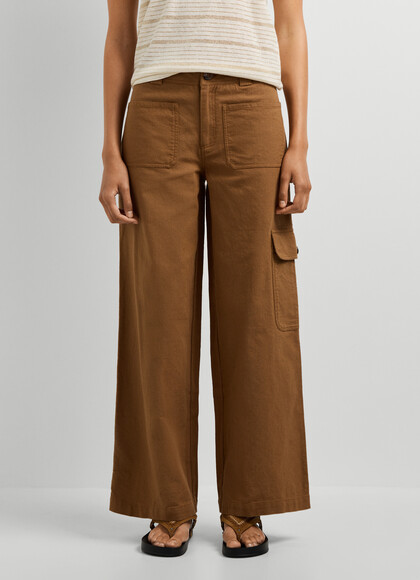






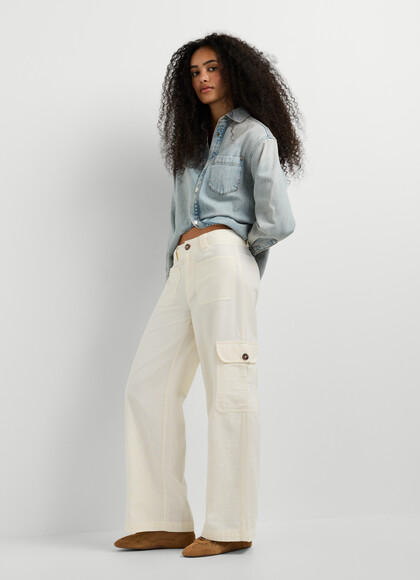
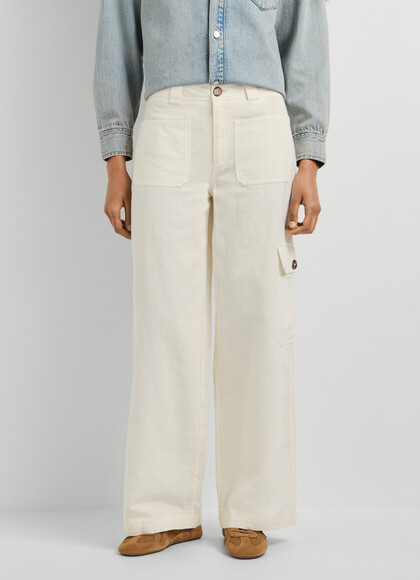
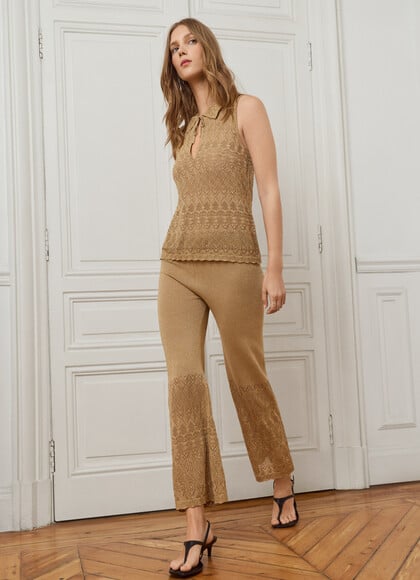
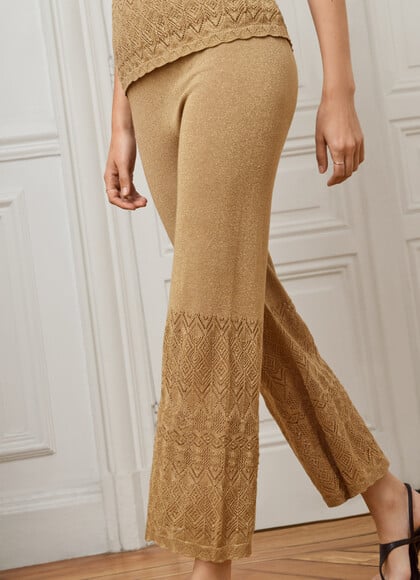
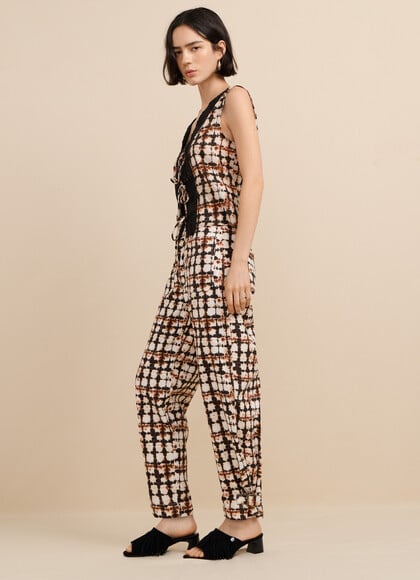
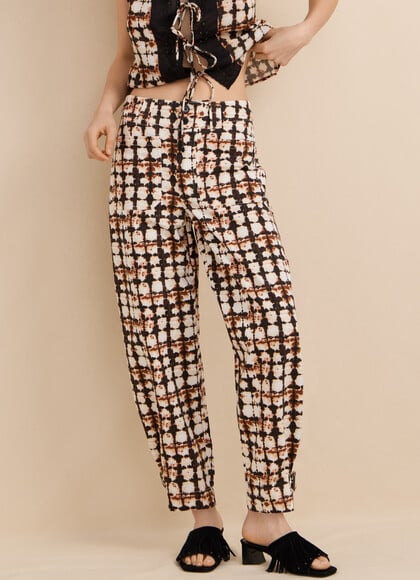
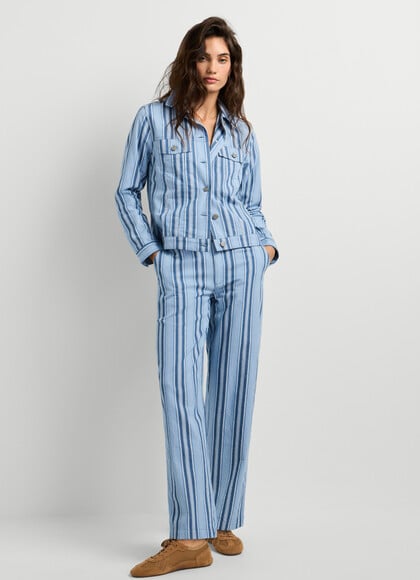
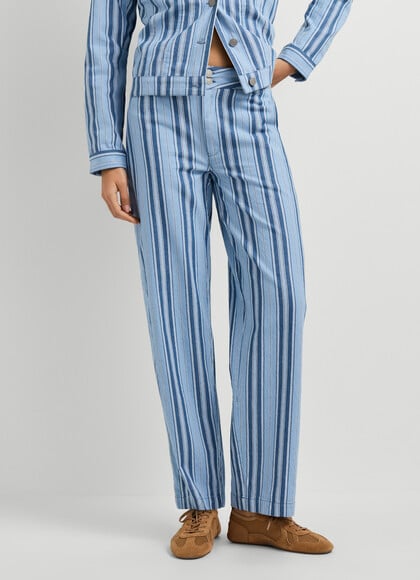


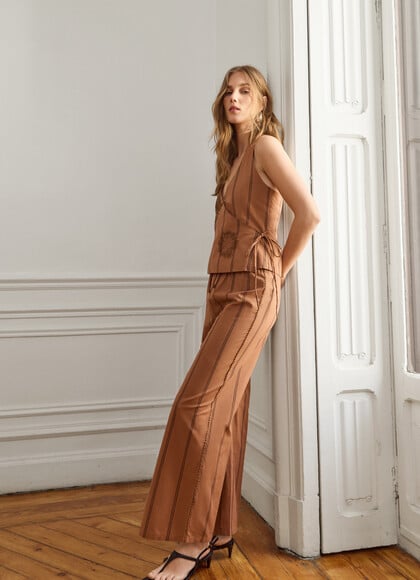
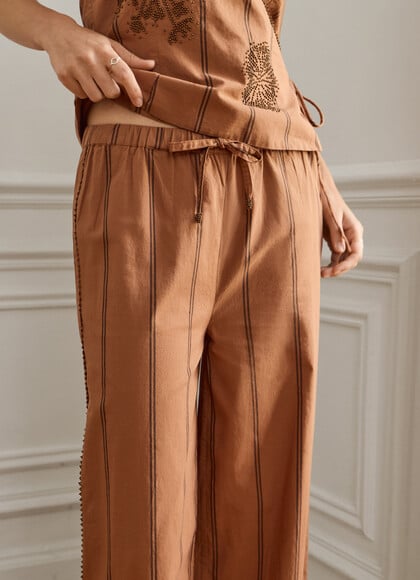


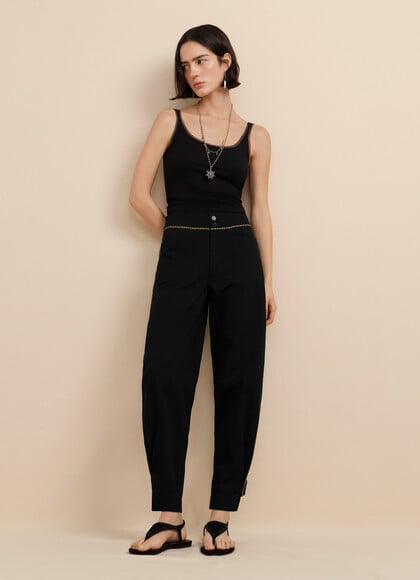
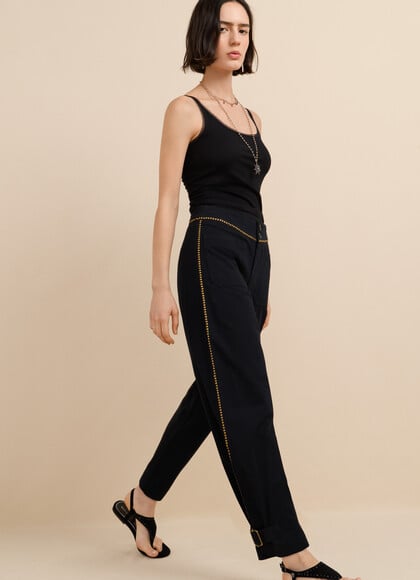
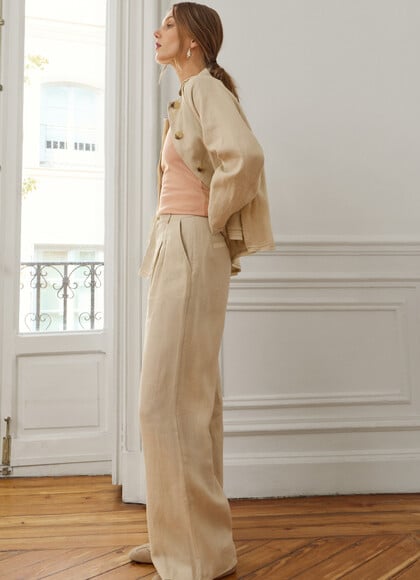
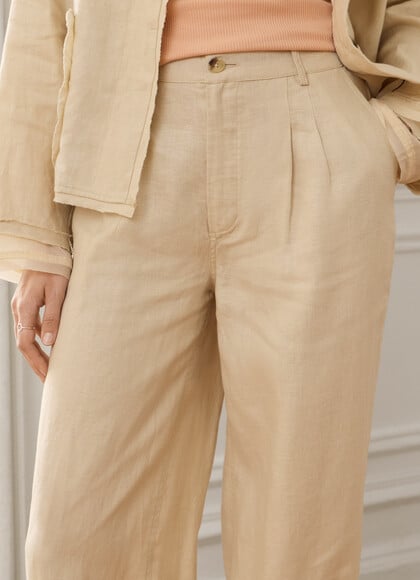
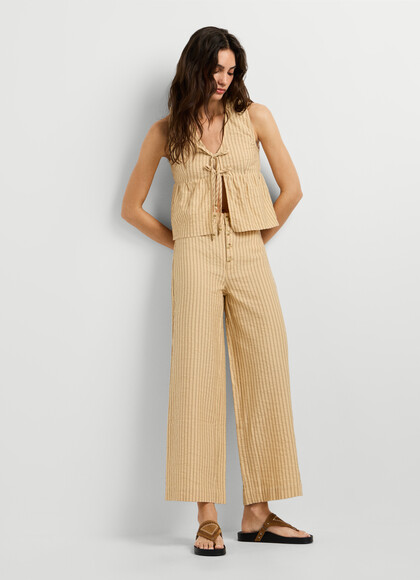
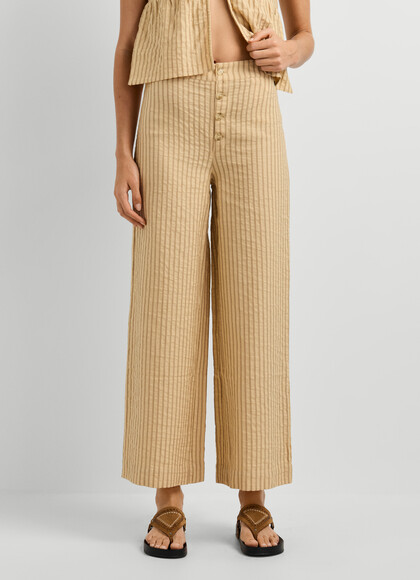


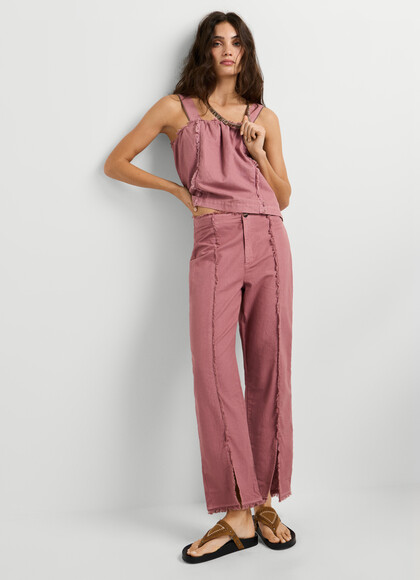
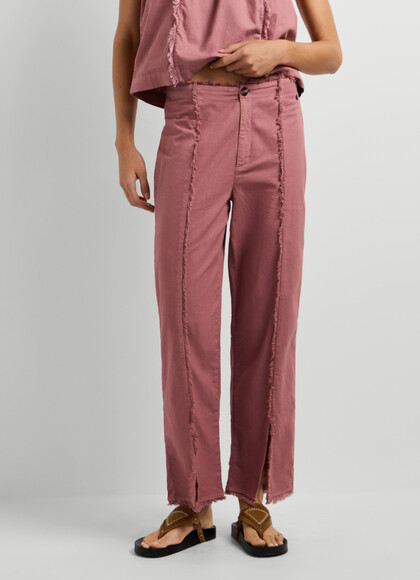


Women's trousers are the category that earns its place in the wardrobe by working across more contexts than anything else — from a relaxed Friday in a Soho studio to a candlelit dinner without changing out of the same pair. This edit covers wide-leg styles, tailored cuts, cargo trousers and linen options in fabrics that range from structured cotton twill to fluid crêpe, with fits that work across body types without demanding a specific silhouette.
The cut determines the silhouette and the range of occasions it covers. Wide-leg women's trousers — cut with a high rise and generous volume from the hip to the hem — are the most flattering across body types: the high waist defines the narrowest point of the torso while the wide leg balances broader shoulders and creates a long, clean line. Tailored women's trousers in a straight or slim cut read as the most considered of the group — they move between work and evening most easily, particularly in a dark or neutral tone. Cargo trousers for women are the most casual, with utility pockets that function rather than decorate and a relaxed fit that asks nothing of what's worn on top. Linen women's trousers are the most seasonal — best from April to September — and the most breathable for the kind of summer days that don't end.
The fabric decides how the trouser moves and how much maintenance it requires. Women's trousers in cotton twill at 220 to 260 g/m² have enough weight to hold their shape without clinging, crease with character rather than inconveniently, and keep their structure after repeated washing without ironing. Crêpe and fluid fabrics are lighter and drape more freely — they flatter more shapes because they don't hold to the body, but they crease more easily. Linen women's trousers regulate temperature better than any other natural fibre but wrinkle at every bend; the creases are part of the material's identity rather than a flaw. A small percentage of elastane — between 2 and 5% — added to any of these fabrics significantly improves comfort through a full day of wear without changing how the trouser looks.
Wide-leg women's trousers in black or navy with a fitted ribbed top tucked in and block-heel mules — that's the combination that works the silhouette hardest and flatters most. The same wide-leg trouser with a simple white t-shirt and flat leather sandals is the summer version: less considered, equally effective. Tailored women's trousers in camel or dark grey with a silk blouse half-tucked in and a pointed loafer is the look that moves between a Piccadilly lunch and an evening drink without changing anything. Cargo trousers with a cropped jacket and chunky trainers is the Portobello Saturday combination that doesn't try too hard.
Pepe Jeans London has built its trouser range since 1973 with a consistent standard: fabrics selected for their behaviour after repeated washing, not just on the hanger — they hold their drape, their colour and their shape across seasons of use. Inseam seams are double-stitched at the points of highest tension; waistbands are interfaced to prevent rolling; belt loops are sized for belts up to 3.5 cm wide. A well-built trouser is one that still looks right at the end of the day it was first worn.
For trousers with a fixed waistband, use both waist and hip measurements — whichever is proportionally larger relative to the cut determines the right size. For elasticated waist styles, your usual size works. In wide-leg cuts, the hip measurement is the critical reference. Always check the inseam length against your own — trouser length affects the proportions of the entire look.
Yes, on a delicate cycle at 30°C. Linen shrinks slightly on the first wash — particularly in length — which is a normal characteristic of the fibre. Hang to dry immediately after washing to minimise creasing. Iron slightly damp on a medium-high heat for the best result; linen responds well to heat and smooths easily before it's fully dry.
The most effective combination is a fitted or cropped top that shows the waistband or sits just above it — this creates the proportion contrast that makes wide-leg trousers work. A t-shirt tucked in at the front and left out at the back is the casual version of the same principle. Avoid loose, long tops that cover the waistband entirely: they lose the high-rise definition that makes the wide-leg silhouette function.