Mini Bag (0)
X
your bag is empty, time to go shopping!
Registered with us, but, you can't see your items? Sign in to see your bag and get shopping!
Continue Shopping
Sign In
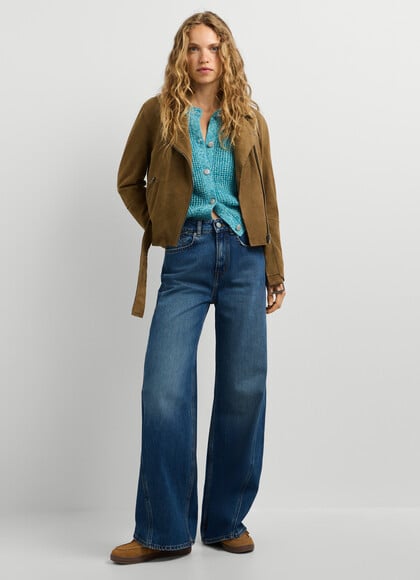
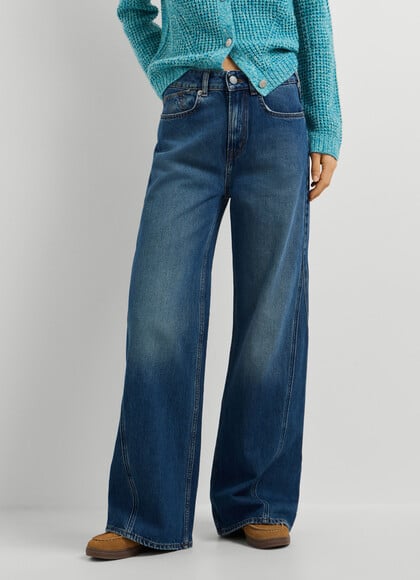

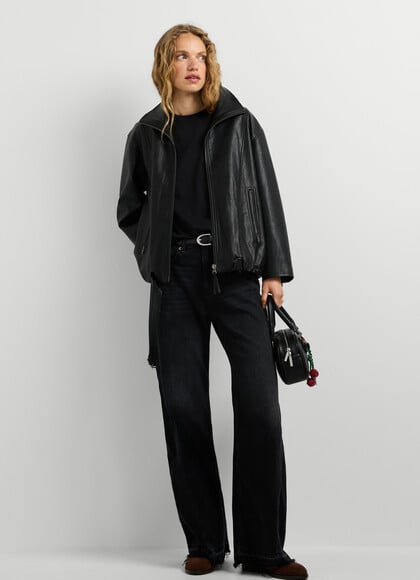
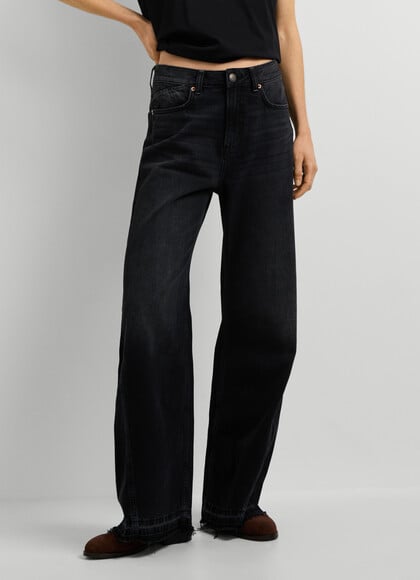
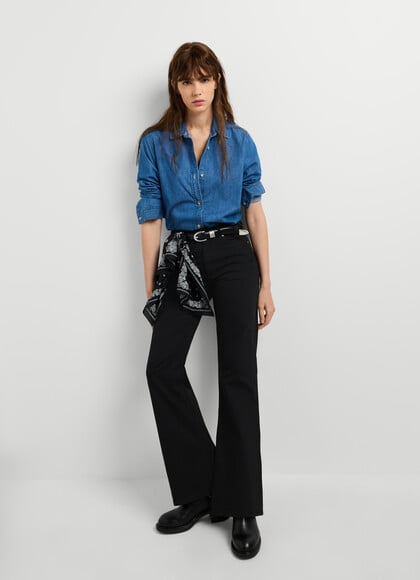
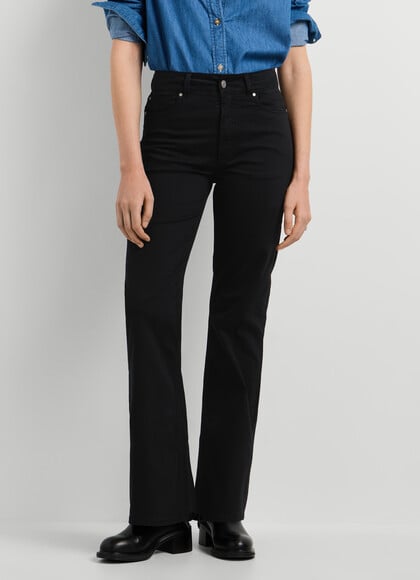



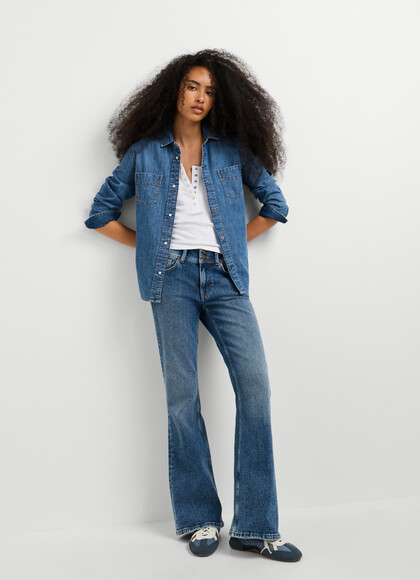
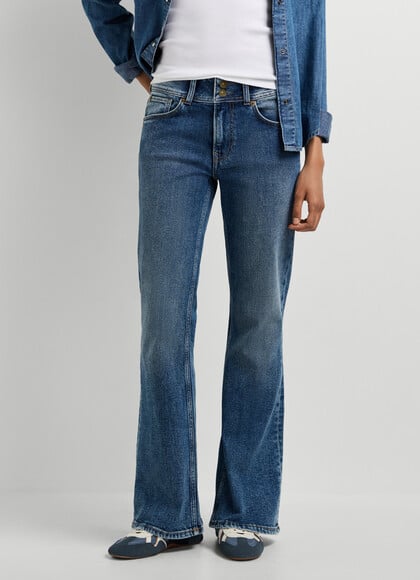
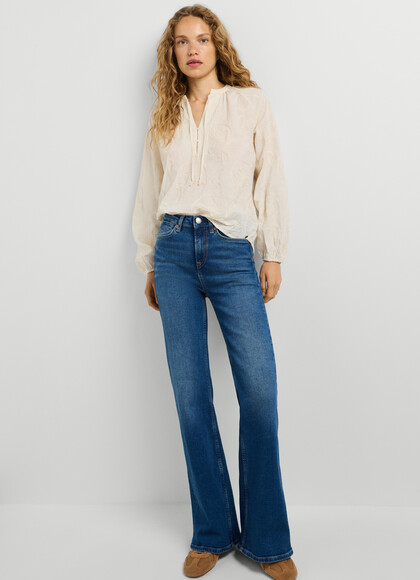
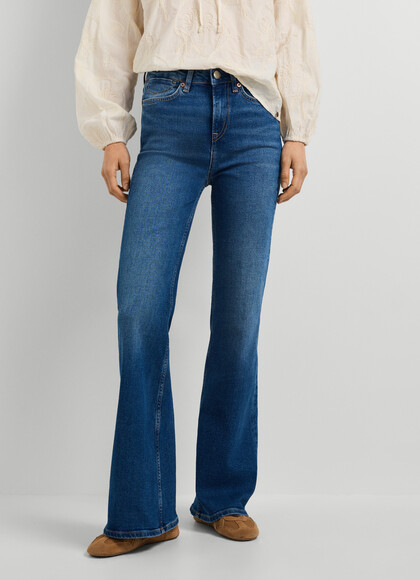


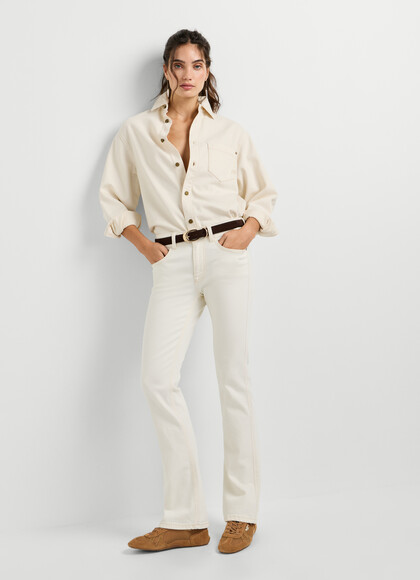
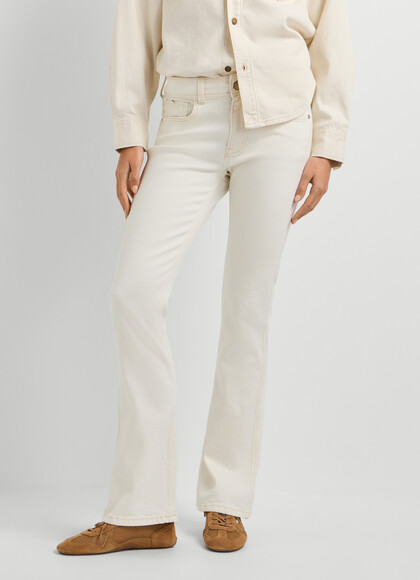




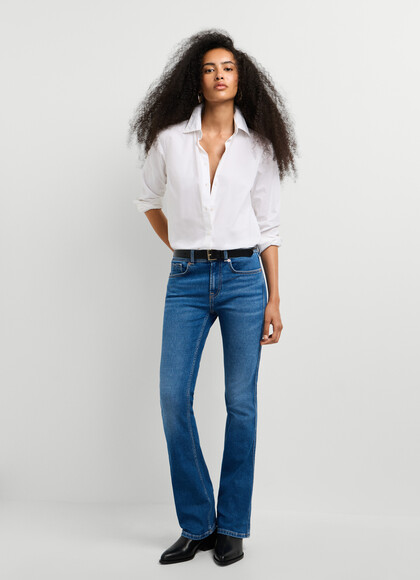
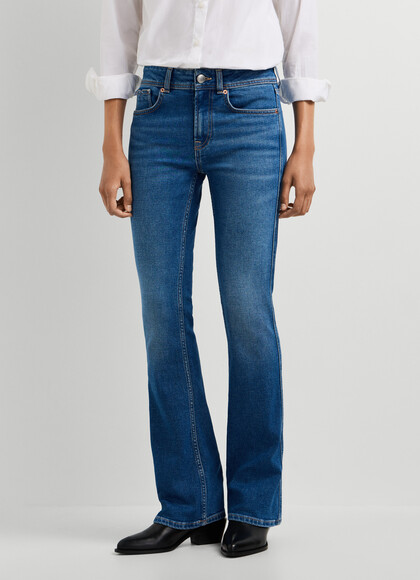
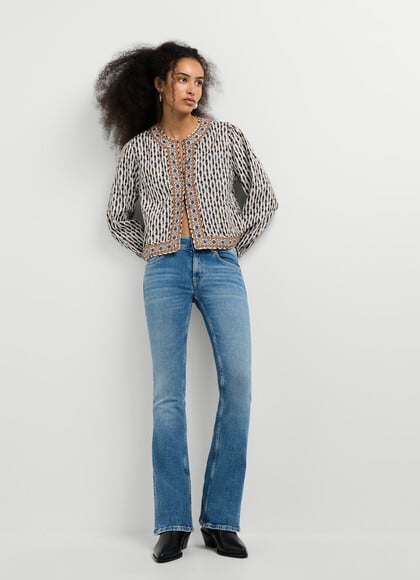
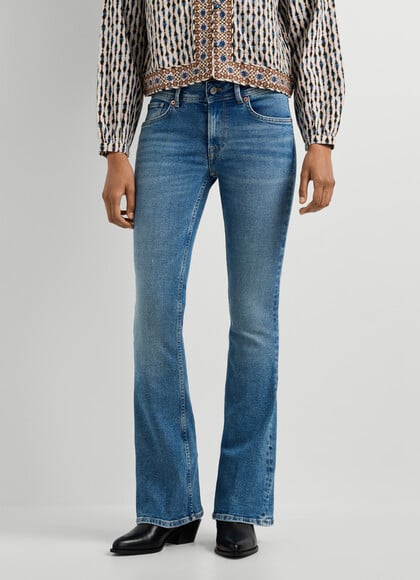
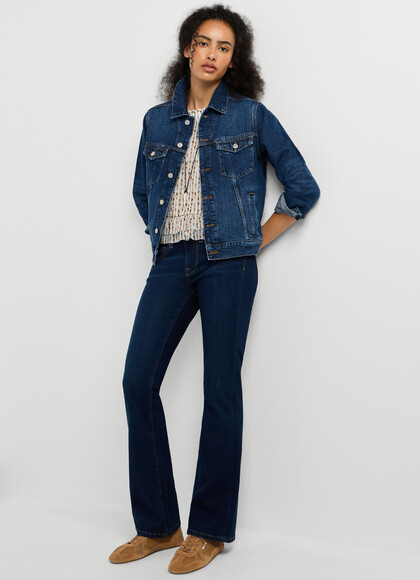
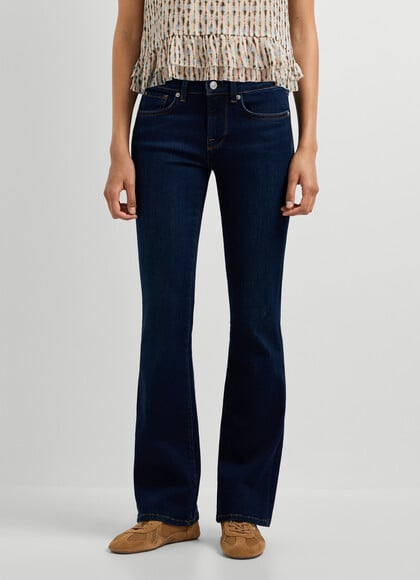
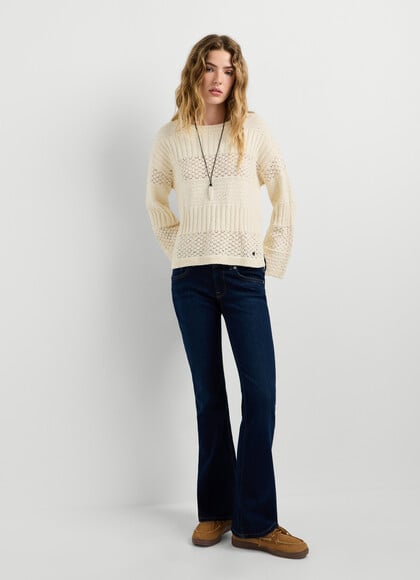
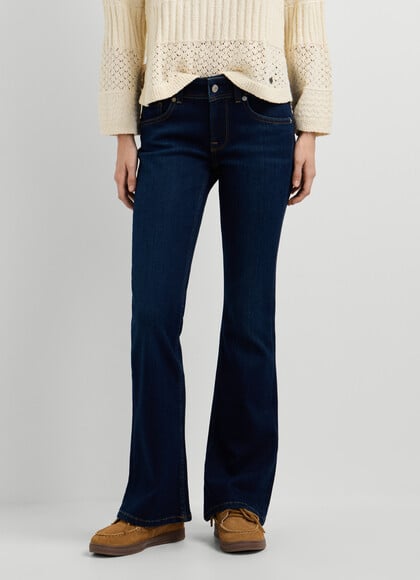
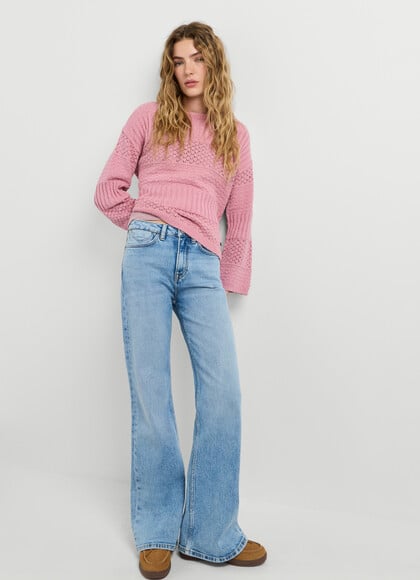
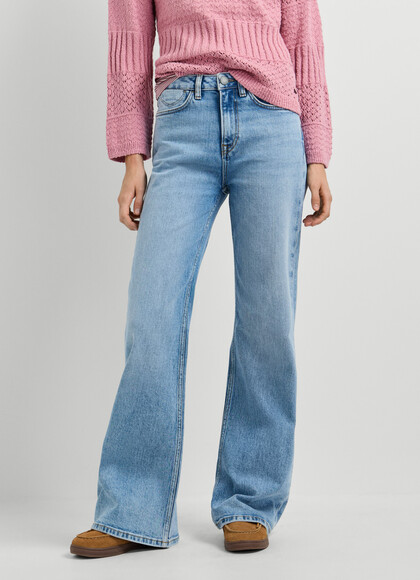





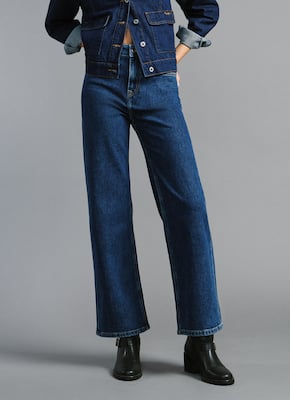
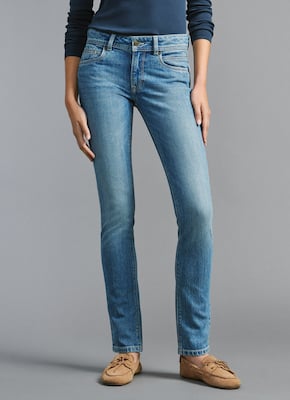
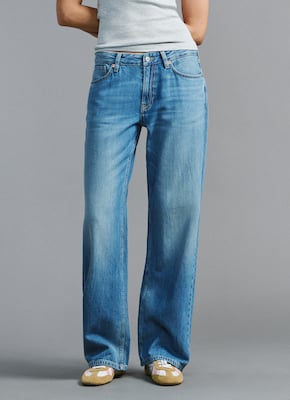
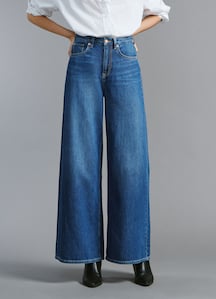
Women's flare jeans are the cut that does the most work for the silhouette with the least effort from the wearer: high-rise waist that defines the torso, a close fit through the thigh and knee, and an opening below the knee that lengthens the leg and balances proportions in a way no other denim cut quite manages. This edit covers everything from a subtle flare to a wide, dramatic opening, in washes from deep indigo to stone.
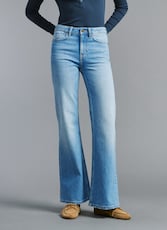
The opening below the knee is what separates the cuts. A subtle flare on women's jeans — opening just enough from the knee to clear a boot — is the most versatile: it creates the elongating effect without requiring a heel, and it pairs with a wider range of shoes than a dramatic flare. The wide flare, with a generous opening from mid-thigh and significant volume at the hem, makes the strongest visual statement — it needs something at the heel to keep the hem at the right point, but the silhouette it creates is the most striking in the category. Women's flare jeans in rigid cotton canvas — with a low elastane content or none — hold the opening cleanly as you walk, because the weight of the fabric does the work of maintaining the shape without collapsing inward.
The wash changes the register entirely. Women's flare jeans in a mid-blue indigo with subtle whisker fades at the thigh are the most versatile — they earn their place from a Tuesday morning to a Saturday evening without asking anything of the rest of the look. A dark wash, close to black, moves the flare jean toward something more considered: with a silk top tucked in and a pointed heel, it reads as an evening piece. Bleached or light stone-wash flares are the most relaxed and work best in summer with a simple crop top. Length is critical in flare jeans: too long and the hem drags, losing the effect; the right length hits just above the floor with a heel, or sits cleanly above the ankle in a cropped version worn flat.
Women's flare jeans with a fitted ribbed knit top tucked into the high waist and a platform trainer or block-heel mule — that's the combination that works the silhouette hardest and flatters most. The platform keeps the hem at the right length without the commitment of a stiletto. For evening: a body or a slip top in the same dark tone as the jean, with a pointed kitten heel half-visible under the hem. A long open-front cardigan that ends at the waistband — leaving the rise visible — adds warmth in autumn without disturbing the proportion. In Soho or at Portobello Market on a Saturday, the flare jean with a basic tee and white chunky trainers is the most effortless version of the cut.
Pepe Jeans London has been building denim with authority since 1973, and the women's flare jeans in this range carry that knowledge in their construction: the flare angle is calibrated by size so the opening looks proportional on a size 6 and on a size 16, with double-stitched seams at the flare opening that don't give way with movement. The denim weight — between 12 and 14 oz in the wider flare styles — gives the leg enough body to hold its shape as you walk rather than collapsing against the calf.
Yes — the flare is one of the most lengthening cuts for petite frames, particularly in a high-rise style. The key is the length: a cropped flare worn with a platform trainer works well at shorter heights, as the hem sits above the ankle and the platform adds the height that a full-length flare would normally require. Avoid very light washes if the priority is elongating — a mid or dark wash reads longer.
A heel or platform is the most effective choice for full-length flares — it elevates the point from which the hem falls and maximises the lengthening effect. For cropped flares, chunky trainers or ankle boots with a small block heel both work well without requiring extra height. Flat shoes with a full-length flare risk the hem dragging and losing the proportion the cut creates.
Inside out at 30°C, no tumble dryer. Hang to dry from the waistband — not the hem — to keep the leg dropping straight. For rigid cotton flares with little or no elastane, the less frequently you wash, the better the denim retains its structure and the flare holds its angle when walking.